Stain Removal in Leaves Green: A Practical, Professional Approach to Fresher Results
Understanding Stain Removal in Leaves Green
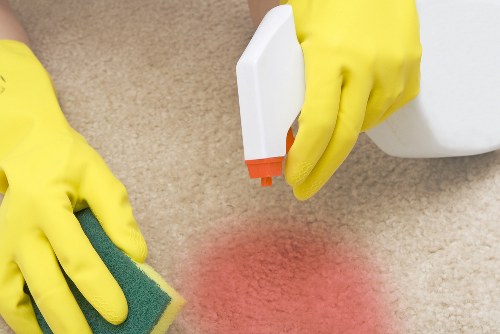
Stain removal in leaves green is a phrase that can mean two important things: removing stubborn marks from green leaves in plants, and removing stains from materials associated with leaf-green tones, décor, textiles, or surfaces. In both cases, the goal is the same: restore a clean, fresh appearance without causing damage. Whether you are caring for houseplants, polishing outdoor foliage for presentation, or tackling discoloration on fabrics and surfaces that feature green leaf aesthetics, the right method matters.
Many people assume that stain removal in leaves green is only about using water and wiping away the problem. In reality, the process requires a careful balance of technique, product choice, and material awareness. A harsh cleaner can leave a bigger mark than the original stain, while a gentle but targeted approach can restore beauty quickly and safely.
For homeowners, gardeners, decorators, and cleaning professionals, learning the basics of stain removal in leaves green saves time, protects surfaces, and improves results. It also helps prevent repeated damage caused by guesswork. In this article, we’ll explore practical methods, common mistakes, and effective strategies that support clean, vivid, and healthy-looking green leaves and leaf-inspired surfaces.
What Causes Stains on Leaves Green Surfaces?

Before choosing a cleaning method, it is important to understand what is causing the stain. Stain removal in leaves green becomes much easier when you identify the source. Stains may come from environmental dust, water spots, mineral deposits, mold, pests, smoke, food residue, oils, or even cleaning products that were used incorrectly.
Green leaves in plants often collect dust and airborne particles, especially indoors. This dulls the surface and blocks light, making the foliage look tired. Outdoor plants may also pick up pollen, mud splashes, bird droppings, and pollution. Each of these requires a slightly different approach to stain removal in leaves green.
In other situations, the phrase may refer to stains on leaf-green fabrics, cushions, painted furniture, or decorative materials. These stains can come from wine, grease, ink, rust, or organic matter. Knowing the stain type is half the battle, because organic stains often respond better to mild detergents, while mineral-based stains may require a more specialized treatment.
Common Sources of Leaf Discoloration
Some of the most frequent causes include:
- Dust and dirt buildup
- Hard water spots
- Fungal growth or mildew
- Insect residue or sap
- Smoke and pollution particles
- Food and beverage spills on green surfaces
When handling stain removal in leaves green, start by observing the shape, texture, and color of the mark. Is it powdery, sticky, oily, or crusty? This simple step helps narrow down the best method and prevents unnecessary scrubbing.
It is also helpful to think about the material beneath the stain. A live plant leaf is delicate and porous, while a painted wall or upholstered item is more durable. The correct stain removal in leaves green method changes depending on the surface. Never use the same cleaner on all materials unless the label specifically says it is safe.
How to Approach Stain Removal in Leaves Green Safely
Safety should always come first. The best stain removal in leaves green strategy is gentle, controlled, and tested in a small area before broad application. If you are treating actual plant foliage, avoid bleach, strong solvents, and abrasive pads. These can burn the leaf surface, strip protective layers, or create long-term damage.
For leaf-green fabrics or décor items, read care labels carefully. Some materials tolerate spot cleaning, while others may require dry cleaning or professional treatment. A product that works well on cotton can ruin silk, velvet, or specialty coated surfaces. This is why stain removal in leaves green is not a one-size-fits-all task.
A practical approach is to move through the cleaning process in stages: identify the stain, choose the mildest effective cleaner, apply carefully, and evaluate the outcome. If needed, repeat gently rather than trying to fix everything in one aggressive pass. Patience usually produces better stain removal in leaves green results than force.
Basic Safety Tips
- Test cleaners on a hidden spot first
- Use soft cloths or microfiber materials
- Avoid excess moisture on delicate leaves
- Work in good lighting so you can monitor results
- Wear gloves if using cleaning agents on textiles or surfaces
Step-by-Step Stain Removal in Leaves Green for Plant Leaves
When the stain is on actual plant foliage, the aim is to clean without interrupting the plant’s ability to breathe and photosynthesize. Stain removal in leaves green for living plants starts with a gentle dusting. Use a soft, dry microfiber cloth, a soft brush, or a damp cotton pad to lift loose debris.
If the leaf is sticky or has sap, a diluted mild soap solution may help. Mix a very small amount of gentle liquid soap with lukewarm water. Dampen the cloth lightly and wipe the affected area carefully. Do not saturate the leaf. Excess moisture can invite fungal issues and create new stains instead of removing them.
After cleaning, inspect the leaf under natural light. If the residue remains, repeat the process once more rather than scrubbing aggressively. For plants with textured or fuzzy leaves, such as African violets, use extra caution. These surfaces trap dirt easily and can be damaged by heavy moisture. Gentleness is the key to successful stain removal in leaves green on living plants.
Useful Tools for Plant Leaf Cleaning
- Microfiber cloth
- Soft makeup brush
- Spray bottle with clean water
- Very mild soap solution
- Cotton swabs for small spots
Treating Different Types of Stains on Green Leaves

Not all stains behave the same way. Some stains sit on the surface, while others bond with the material. For effective stain removal in leaves green, it helps to classify the stain before treatment. Dust is easy to remove. Grease requires a degreasing approach. Mineral deposits may need a slightly acidic cleaner. Mold needs moisture control and targeted treatment.
Organic stains on fabrics or décor, such as coffee, tea, or food, often respond well to blotting with cold water and mild detergent. Oil-based marks may require an absorbent powder or a special stain remover designed for the material. On plant leaves, any visible residue should be removed with a minimal-touch method to reduce stress on the plant tissue.
When dealing with stubborn discoloration, avoid random product mixing. Combining cleaning agents can create chemical reactions, especially on textiles or painted finishes. A safer path for stain removal in leaves green is to use one method at a time and allow enough time to see whether it works. Accurate stain identification leads to cleaner results and fewer mistakes.
Stain Categories and Common Responses
- Dust: dry dusting or soft wiping
- Mineral spots: filtered water and gentle wiping
- Grease: mild detergent or absorbent treatment
- Mildew: moisture control and approved antimicrobials
- Ink or dye: specialized spot treatment based on fabric type
Stain Removal in Leaves Green for Textiles and Décor
Leaf-green textiles, upholstery, curtains, and decorative items bring a natural, calming look to a room. But when they are stained, the effect is instantly noticeable. Stain removal in leaves green for these materials should focus on protecting color, texture, and finish. The main concern is not only removing the stain but also preserving the rich green appearance.
Start by blotting, not rubbing. Rubbing pushes the stain deeper into the fibers and may spread it. Use a clean white cloth to absorb as much of the spill as possible. Then apply a fabric-safe cleaner or a diluted solution recommended for the material. Always work from the outer edge of the stain toward the center to avoid spreading.
For upholstery or curtains, moisture control is vital. Too much liquid can create rings, water marks, or hidden dampness that encourages mildew. A dry cloth should follow every wet treatment. If the stain is large or old, professional assistance may be the safest choice. In this setting, stain removal in leaves green is about careful preservation as much as cleaning.
Recommended Practices for Fabric Care
- Check care labels before cleaning
- Blot immediately after a spill
- Use color-safe stain products
- Avoid heat until the stain is gone
- Let items dry fully in a ventilated space
Natural Solutions for Stain Removal in Leaves Green
Many readers prefer natural cleaning methods, especially for plants or decorative items with a leaf-green finish. Several mild solutions can support stain removal in leaves green without introducing harsh chemicals. White vinegar diluted with water may help dissolve mineral spots on sturdy non-living surfaces. Baking soda can act as a gentle absorber for oily stains on fabric. Lemon juice may work in some cases, though it should be used cautiously because it can affect delicate colors and finishes.
For plant leaves, the safest natural approach is usually plain water and soft wiping. If a slightly stronger method is needed, diluted mild soap remains preferable to stronger household acids. Natural does not automatically mean safe for every material, so it is still important to test first. Choose natural solutions based on the surface, not just the ingredient label.
Another useful technique is steam-free humidity control. On indoor plants, overly dusty leaves can benefit from routine cleaning and improved air circulation. On fabrics, quick action and proper drying prevent stains from settling. Natural stain removal in leaves green works best when paired with prevention and maintenance.
Natural Options to Consider
- Plain lukewarm water
- Diluted mild soap
- White vinegar solution for some hard surfaces
- Baking soda paste for select fabric stains
- Soft cloths and absorbent paper
Professional Methods and When to Seek Help
Sometimes stain removal in leaves green calls for professional intervention. This is especially true when stains are old, deeply set, or located on valuable materials. Antique upholstery, designer fabrics, specialty coatings, and large-scale decorative installations often need a trained cleaning approach to avoid costly damage.
Professionals bring the right equipment, stain chemistry knowledge, and material-specific treatment strategies. They can often remove marks that household methods cannot. In addition, they know how to manage drying, color stability, and odor control. If you are dealing with important décor or a high-value item, seeking expert help can save both time and money.
For businesses, offices, event spaces, and hospitality environments, polished green décor makes a strong visual impression. Clean leaf-green fabrics and surfaces communicate freshness, care, and quality. When appearance matters, professional stain removal in leaves green can be a smart investment rather than a last resort. Timely action protects aesthetics and extends material life.
Signs You May Need Professional Cleaning
- The stain has been present for a long time
- The material is delicate or expensive
- Previous cleaning attempts made the stain worse
- The stain covers a large area
- The item has special care instructions
Preventing Future Stains on Green Leaves and Leaf-Inspired Surfaces
The easiest stain removal in leaves green is the one you never have to do. Prevention reduces effort, protects appearance, and extends the lifespan of plants and décor. For plant leaves, regular dusting, proper watering, and good airflow reduce the chance of grime buildup and fungal spots. Avoid overwatering, since excess moisture often leads to unwanted marks or mildew.
For textiles and decorative surfaces, preventative habits make a huge difference. Use protective sprays only if they are approved for the material. Place drinks and food away from vulnerable upholstery. Wash decorative covers regularly, and rotate cushions or items exposed to sunlight to prevent uneven fading that can make stains more visible.
In workspaces or public areas, maintenance schedules help keep green surfaces looking fresh. Quick response to spills and periodic inspection keep stains from becoming permanent. Consistent care is the most cost-effective stain removal in leaves green strategy. When people stay proactive, they spend less time cleaning and more time enjoying the look of the space.
Best Practices for Long-Term Results
Long-term success in stain removal in leaves green depends on routine habits. First, clean regularly instead of waiting until dirt becomes visible. Second, use the gentlest method that gets the job done. Third, treat each material according to its needs rather than assuming all green surfaces are alike.
Another important habit is documentation. If you manage multiple plants, fabrics, or decorative items, note which cleaners worked best. This reduces trial and error later. You can also track which areas stain most frequently and adjust placement, ventilation, or maintenance accordingly.
It helps to think of stain removal in leaves green as part of a larger care routine. Clean appearance, material safety, and preservation all work together. A surface that is cleaned well today but damaged in the process will cause more trouble tomorrow. Choosing wisely now ensures better results later. Good cleaning is as much about protection as it is about removal.
Long-Term Maintenance Checklist
- Inspect green leaves and surfaces weekly
- Remove dust before it builds up
- Blot spills immediately
- Use approved products only
- Store cleaning supplies safely and clearly labeled
Conclusion: Cleaner, Fresher, Better-Looking Results
Stain removal in leaves green is a practical skill that combines observation, patience, and the right cleaning methods. Whether you are caring for living plant leaves or maintaining leaf-green fabrics and décor, the process works best when it is gentle, targeted, and informed. By identifying the stain, selecting the correct approach, and avoiding harsh treatment, you can preserve both appearance and material quality.
From dust and hard water spots to grease and mildew, every stain has a solution when handled properly. Routine care, prevention, and timely action make a noticeable difference. If a stain is stubborn or the item is valuable, professional support may be the smartest step. In all cases, the right approach to stain removal in leaves green helps you maintain a fresh, polished, and attractive result.
If you want your green leaves, fabrics, or décor to look their best, start with a careful plan and consistent maintenance. Take action early, clean gently, and protect the surface for the future. Contact us today or book your service now to keep your leaf-green spaces looking vibrant and well cared for.